
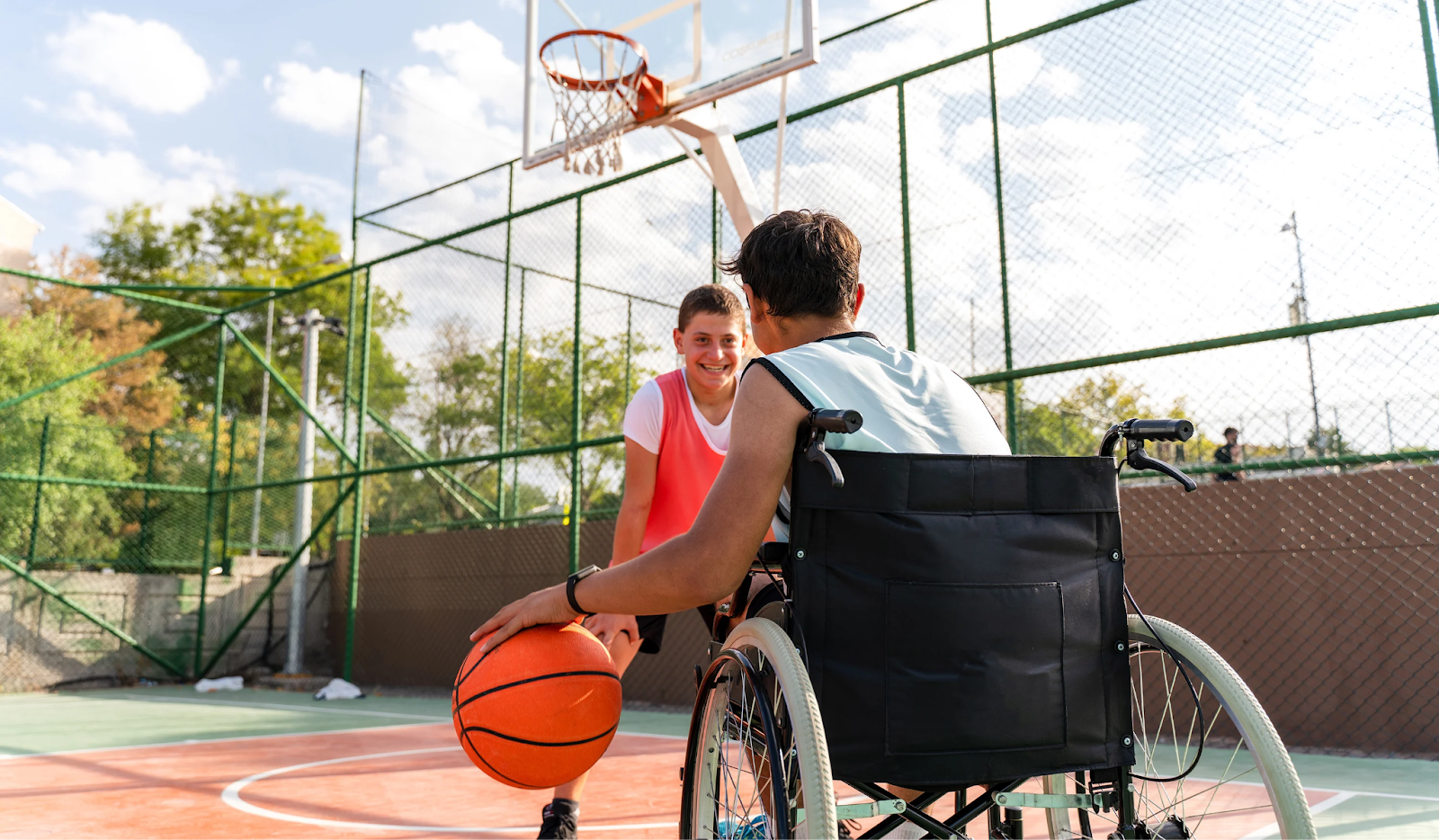

Adaptive sports have become a powerful tool for helping people with disabilities live healthier, more confident, and more connected lives. These programs are designed to make sports and physical activities accessible by adapting rules, equipment, and environments to meet different needs. Through participation in adaptive sports, individuals are not only able to enjoy physical activity but also gain emotional strength, social connections, and a renewed sense of purpose. This article explores how these programs empower people with disabilities to truly thrive.
Understanding Adaptive Sports and Their Purpose
Adaptive sports are modified versions of traditional sports that allow people with physical, sensory, or intellectual disabilities to participate safely and effectively. Examples include wheelchair basketball, adaptive swimming, sled hockey, and seated volleyball. The main purpose of adaptive sports is inclusion. These programs focus on ability rather than limitation and provide opportunities for people to challenge themselves, set goals, and experience success through movement and teamwork.
The Role of an Adaptive Sports Program in Building Confidence
An adaptive sports program plays a critical role in building self-confidence for participants. Many individuals with disabilities face social barriers or self-doubt due to physical challenges or past experiences. When they engage in sports that are designed for their needs, they often discover strengths they did not realize they had. Achieving personal milestones, learning new skills, and seeing improvement over time helps boost self-esteem and encourages a positive self-image.
Physical Health Benefits That Support Independence
Regular participation in adaptive sports improves physical health in many ways. It helps increase strength, flexibility, balance, and cardiovascular fitness. These improvements can make everyday activities easier, such as transferring from a wheelchair, maintaining posture, or managing fatigue. Better physical health often leads to greater independence, which is an important factor in improving overall quality of life for people with disabilities.
Mental and Emotional Well-Being Through Sports
Adaptive sports also have a strong impact on mental and emotional well-being. Physical activity releases endorphins, which help reduce stress, anxiety, and depression. Being part of a team or sports community provides emotional support and a sense of belonging. Participants often report feeling more motivated, optimistic, and resilient as they learn to overcome challenges both on and off the field.
Social Inclusion and Community Connection
One of the most meaningful benefits of adaptive sports is the opportunity for social interaction. These programs bring people together who share similar experiences and goals. Through training sessions, competitions, and social events, participants form friendships and support networks. This sense of community helps reduce feelings of isolation and promotes inclusion, showing that disability does not limit the ability to connect and contribute.
Skill Development and Life Lessons
Adaptive sports teach valuable life skills that extend beyond athletics. Participants learn discipline, teamwork, communication, and leadership. They also develop problem-solving skills as they adapt to new situations and challenges. These lessons can be applied to education, employment, and daily life, helping individuals grow personally and professionally.
Changing Public Perceptions of Disability
Adaptive sports programs also play an important role in changing how society views disability. By showcasing the abilities and achievements of athletes with disabilities, these programs challenge stereotypes and promote understanding. Public events, competitions, and media coverage help raise awareness and inspire others, creating a more inclusive and respectful society.
Conclusion
Adaptive sports programs empower people with disabilities by promoting physical health, emotional strength, confidence, and social connection. They provide more than just an opportunity to play sports; they offer a pathway to independence, personal growth, and community involvement. By focusing on abilities and creating inclusive environments, adaptive sports programs help individuals not only participate but truly thrive. As these programs continue to grow, they will remain a vital force in supporting empowerment, equality, and well-being for people with disabilities.